
How it works
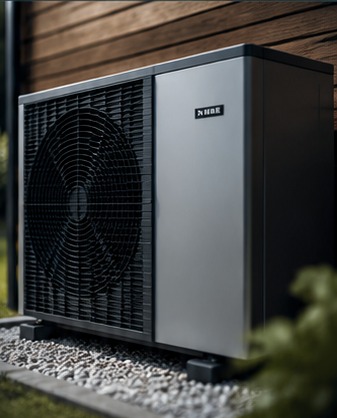
A fan draws outdoor air across a heat exchanger. Refrigerant inside the unit absorbs heat, then the compressor raises its pressure and temperature. Heat is transferred through another heat exchanger into the building’s water system, and the refrigerant cycle repeats.
Main parts of a typical system
The outdoor unit contains the fan, heat exchangers and refrigeration components. Inside the property there may be a cylinder, hydraulic components, pumps, valves, controls and a buffer or volumiser depending on the design. The exact arrangement varies by manufacturer and installation.
What should owners know?
Air source heat pumps work in cold weather, although available heat and efficiency vary with outdoor conditions. During some conditions the outdoor coil may frost and the unit will run a defrost cycle. This is normal when it happens as designed, but repeated alarms or poor heating need investigation.
What does servicing involve?
A service can include checking accessible components, filters and strainers, system pressure, controls, temperatures, operating conditions and visible pipework. The checks depend on the model and installation. Refrigerant-circuit work must only be undertaken by appropriately qualified personnel.
Common reasons to request diagnostics
Contact an engineer if the system repeatedly locks out, water flow is poor, the heating is not reaching temperature, energy use changes unexpectedly or unusual noises develop.
Element provides servicing, diagnostics and maintenance for air source heat pumps across Essex and surrounding areas.